For years, we've treated AI like any other product feature. We added chatbots, recommendation engines, and smart search, then asked ourselves where the AI button should go.
That mindset is changing.
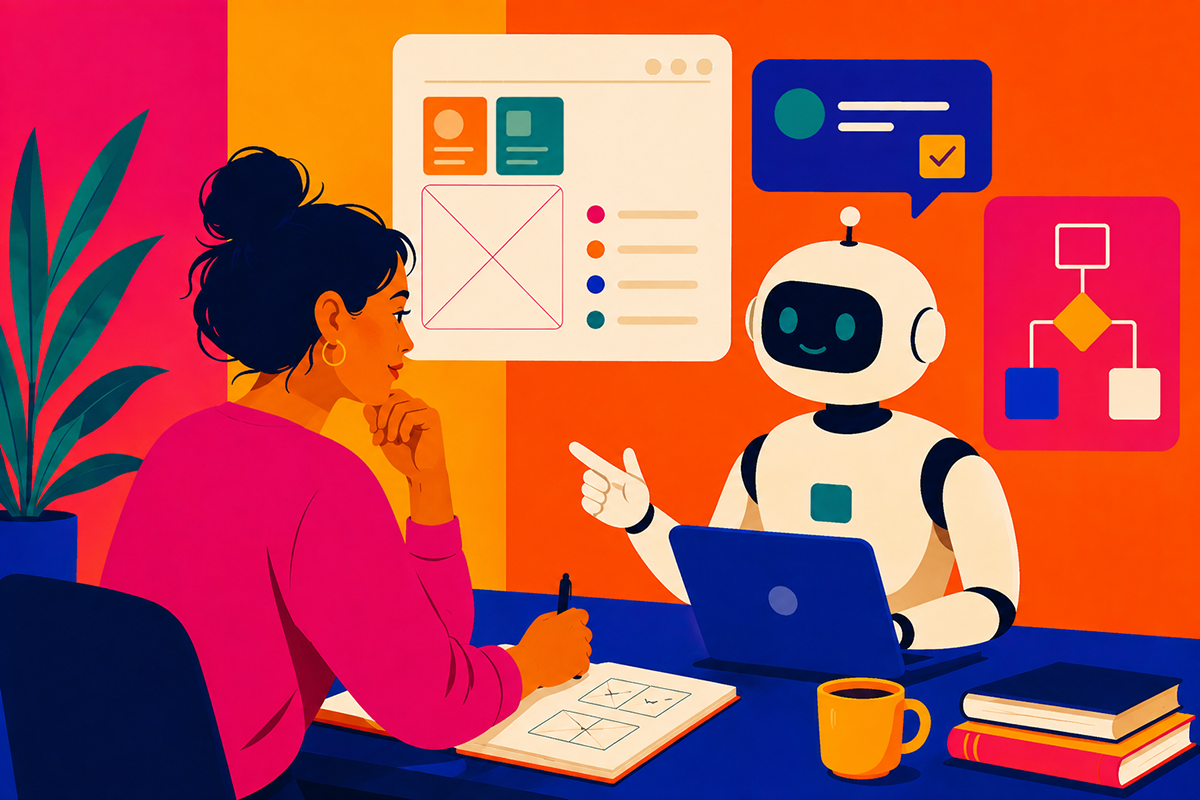
AI is no longer just a feature. It's becoming part of the way people work. Instead of simply responding to commands, AI can draft ideas, summarize information, ask questions, and help users make decisions. The experience becomes less about using software and more about collaborating with it.
This shift changes the role of UX design.
Instead of asking how to add AI, we should ask how people and AI work together. When should AI make a suggestion? When should it stay quiet? How does it explain its reasoning? Most importantly, how does the user remain in control?
The best AI often fades into the background. Users don't care that AI is involved. They care that their work is easier, faster, and more enjoyable.
As UX designers, we're no longer just designing interfaces. We're designing relationships between people and intelligent systems. That means trust, transparency, and human judgment matter more than ever.
The future of UX won't be measured by how many AI features we build. It will be measured by how naturally AI fits into the human workflow.